
Why Curb Appeal Is So Important When Selling Your Home (And How to Improve It)
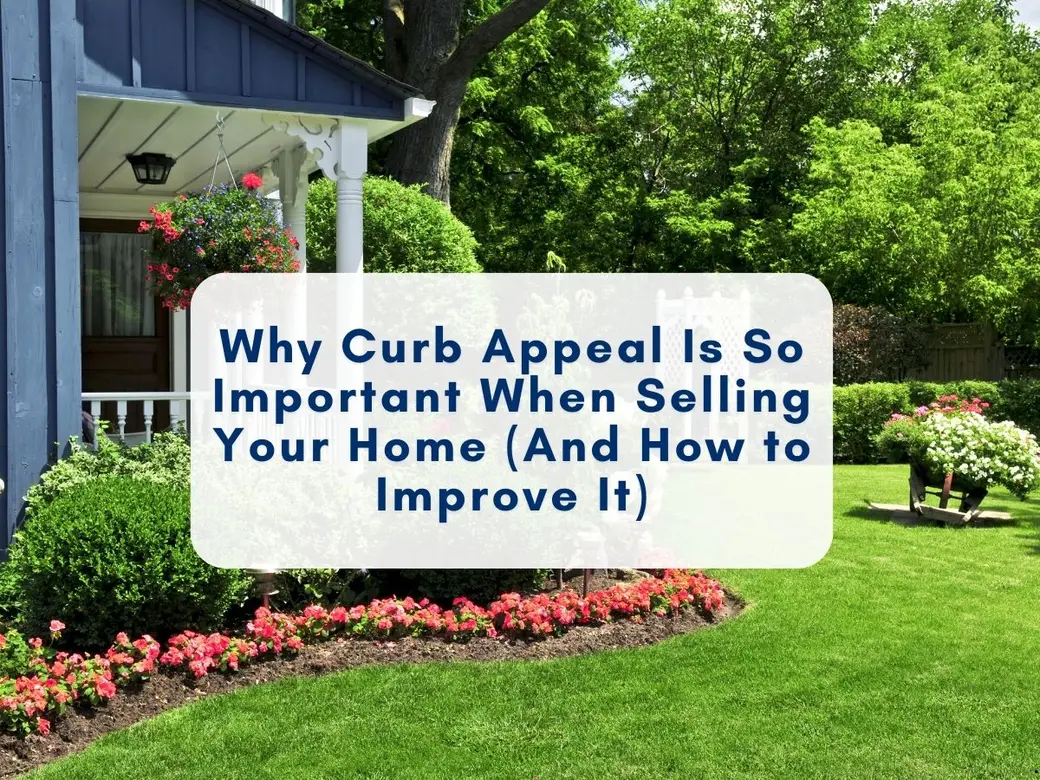
🏡 Why Curb Appeal Is So Important When Selling Your Home (And How to Improve It)
When it comes to selling a home, few factors influence buyer perception as quickly—or as powerfully—as curb appeal. Long before buyers evaluate square footage, floor plans, or pricing strategy, they are forming opinions based on what they see from the street. That first glance sets expectations for the entire showing and can determine whether buyers walk in feeling excited or skeptical.
For home sellers, curb appeal can directly impact how fast a home sells and how strong the offers are. For first-time home buyers, curb appeal often shapes emotional reactions before logic has a chance to catch up. A home that looks well cared for on the outside feels safer, more valuable, and easier to fall in love with.
In competitive real estate markets—and even in balanced or slower ones—curb appeal is not optional. It is a strategic advantage. This guide explains why curb appeal matters so much when selling your home and how sellers can improve it without expensive renovations.
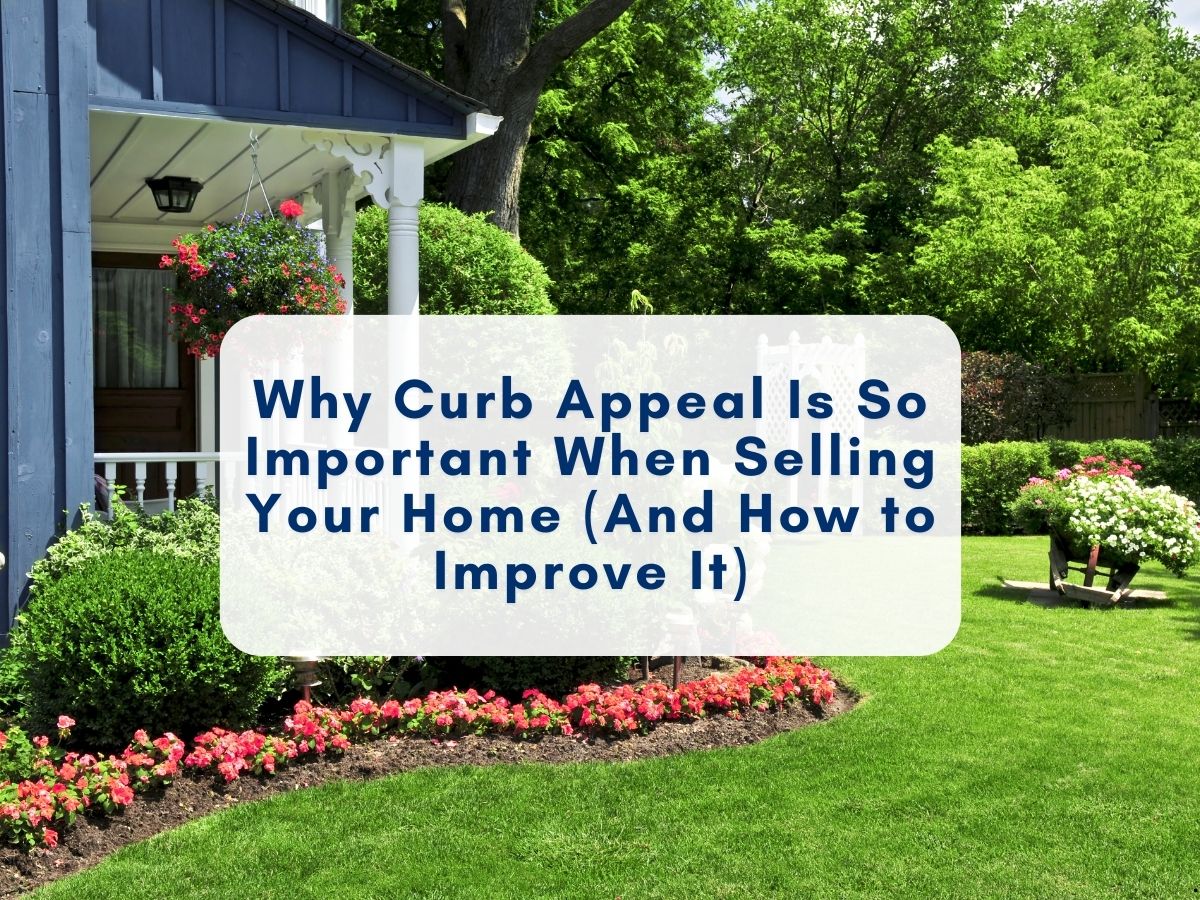
👀 The Psychology of First Impressions in Real Estate
Buyers begin forming opinions within seconds of arriving at a property. This reaction is largely subconscious, but it strongly influences how they interpret everything that follows. A neglected exterior often triggers assumptions about deferred maintenance, hidden problems, or future expenses—even if the interior is in excellent condition.
On the other hand, a home that looks clean, welcoming, and well maintained creates emotional momentum. Buyers feel more optimistic, more comfortable, and more open-minded as they walk inside. They are also more likely to overlook minor interior flaws because the overall impression feels positive.
This emotional response matters because real estate decisions are emotional first and logical second. Buyers may justify their decision with data later, but curb appeal often determines whether they want to keep looking—or move on to the next home.
📈 Why Curb Appeal Matters When Selling a Home
Curb appeal influences more than just buyer interest. It affects pricing, market time, and negotiation leverage. Homes with strong curb appeal consistently outperform similar properties with weaker exterior presentation.
A well-presented exterior attracts more buyers both online and in person. Listing photos that showcase clean landscaping, fresh paint, and inviting entryways stand out in crowded search results. Buyers are more likely to schedule showings when a home looks appealing from the outside.
Curb appeal also increases perceived value. Buyers often associate exterior condition with overall maintenance, which makes them more comfortable paying closer to asking price. Homes that look move-in ready from the street tend to receive stronger offers and fewer objections during negotiations.
Finally, curb appeal can shorten time on market. Homes that make a great first impression are less likely to sit unsold, reducing the risk of price reductions or buyer skepticism.
🌿 Landscaping: The Foundation of Strong Curb Appeal
Landscaping is one of the most visible—and impactful—elements of curb appeal. Fortunately, it is also one of the most flexible areas for improvement, regardless of budget.
A neatly maintained yard signals care and consistency. Buyers notice mowed lawns, trimmed edges, and healthy plantings immediately. Overgrown grass, weeds, or dead plants can make a home feel neglected, even if the house itself is in good condition.
Fresh mulch in garden beds instantly improves appearance by adding contrast and structure. Seasonal flowers or potted plants near the entryway introduce color and warmth without overwhelming the space. Shrubs should be trimmed to frame the home rather than obscure it.
Outdoor clutter deserves attention as well. Toys, tools, and equipment should be stored out of sight during showings. Buyers want to see usable outdoor space, not signs of daily chaos.
Landscaping does not need to be elaborate. Clean, intentional, and low-maintenance designs often appeal to the widest range of buyers.
🚪 The Front Door and Entryway: Your Home’s Handshake
The front door is one of the most important focal points of a home’s exterior. Even sellers who primarily use a garage entrance should remember that buyers experience the home through the front door.
A freshly painted or stained door immediately elevates curb appeal. Popular choices tend to be classic and timeless, such as deep blue, black, or muted red. The goal is not to shock buyers, but to create a confident and welcoming statement.
Hardware matters too. Updated handles, locks, and house numbers contribute to a modern, cohesive look. Worn or outdated hardware can detract from an otherwise polished exterior.
Lighting around the entryway should be functional and inviting. Buyers want to feel safe and comfortable approaching the home, especially during evening showings. Clean fixtures with warm lighting create a welcoming glow that enhances the overall atmosphere.
Small decorative touches—such as a tasteful wreath or a simple welcome mat—can humanize the space without making it feel overly personal.
💦 Power Washing: One of the Highest-Impact, Lowest-Cost Fixes
Few improvements deliver as much visual impact for as little cost as power washing. Dirt, mildew, and grime accumulate slowly, often going unnoticed by sellers but standing out clearly to buyers.
Driveways, walkways, porches, and siding benefit significantly from a thorough cleaning. Power washing can make surfaces look years newer and instantly brighten the exterior.
Windows should also be cleaned inside and out. Clean glass allows more natural light to enter the home, reinforcing the impression of brightness and cleanliness.
Gutters, eaves, and corners should be checked for cobwebs and debris. These small details matter more than sellers often expect and contribute to an overall sense of upkeep.
🎨 Exterior Paint and Siding: Visual Consistency Matters
Exterior paint condition plays a major role in buyer perception. Peeling, fading, or chipped paint suggests deferred maintenance and can raise concerns about moisture or wood damage.
While repainting an entire exterior is not always necessary, targeted updates can make a noticeable difference. Refreshing trim, shutters, or accent areas often provides a strong return on investment.
Siding—whether vinyl, wood, or brick—should be clean and free of visible damage. Small repairs completed before listing prevent buyers from mentally inflating repair costs during showings.
Visible woodwork should be checked for signs of rot or deterioration. Addressing these issues proactively builds buyer confidence and reduces inspection-related concerns later.
💡 Outdoor Lighting: Safety, Style, and Atmosphere
Outdoor lighting serves both practical and aesthetic purposes. Buyers want to feel safe navigating walkways and entrances, especially in low-light conditions. At the same time, lighting contributes to the home’s overall mood and style.
Pathway lights guide visitors toward the entrance and highlight landscaping features. Solar-powered options provide flexibility and are easy to install without electrical work.
Porch lights should be bright enough to illuminate the entryway without feeling harsh. Updated fixtures in modern finishes can dramatically improve appearance.
Even builder-grade lighting can often be upgraded with simple adjustments. A fresh coat of spray paint in a modern color can make dated fixtures feel intentional and updated.
🚗 The Garage Door: An Overlooked Curb Appeal Power Player
Garage doors often occupy a large portion of the home’s front façade, making them a key visual element. An outdated or damaged garage door can detract from an otherwise attractive exterior.
Repainting or staining the garage door is a cost-effective way to refresh its appearance. Keeping it clean and free of dents or rust is essential.
In some cases, upgrading to a more modern design can significantly increase perceived value. Garage door improvements are consistently ranked among exterior updates with strong returns on investment.
🪑 Porches and Patios: Selling the Lifestyle
Outdoor living spaces help buyers imagine how they will enjoy the home. Even small porches or patios can feel inviting with thoughtful staging.
A bench or pair of chairs with neutral cushions suggests comfort and usability. A small table or potted plant adds warmth without clutter.
The goal is to help buyers envision themselves using the space, whether for morning coffee or evening relaxation. Clean, uncluttered outdoor areas reinforce that vision.
🧠 How Curb Appeal Influences Offers and Negotiations
Curb appeal does more than attract buyers—it influences how they negotiate. Buyers who feel confident about a home’s condition are less likely to push aggressively on price or request excessive concessions.
Homes with strong curb appeal often receive cleaner offers with fewer repair objections. Buyers enter negotiations from a place of excitement rather than skepticism.
In contrast, homes that struggle with exterior presentation may invite lower offers or extended market time, even if the interior is comparable to competing listings.
🏁 Conclusion: Curb Appeal Is a Strategy, Not Just a Cosmetic Choice
Curb appeal is one of the most powerful tools sellers have to influence buyer perception, market time, and final sale price. It shapes first impressions, builds confidence, and creates emotional momentum that carries through the entire showing experience.
The most effective curb appeal improvements are often simple and affordable. Landscaping, lighting, paint touch-ups, cleaning, and thoughtful staging work together to present a home that feels cared for and move-in ready.
For buyers, curb appeal sets expectations. For sellers, it sets the stage for success.
If you are considering selling your home, understanding how buyers experience your property from the street can make a meaningful difference in your results.
If you would like guidance on how to improve your home’s curb appeal or want a clear plan for preparing your property for the market, scheduling a consultation can help you move forward with confidence and clarity.
Categories
Recent Posts







Buying a home isn’t just a financial decision—it’s a deeply personal journey filled with hopes, dreams, and big life changes. That’s why choosing the right real estate professional is one of the most important steps you can take.
A knowledgeable and experienced REALTOR® does more than open doors and write offers. They’re your advocate, your problem-solver, and your steady guide through what can sometimes feel like an overwhelming process. Whether it's navigating a competitive market, negotiating on your behalf, or keeping things on track behind the scenes, the right agent is there to protect your interests every step of the way.
In the end, buying a home should be an empowering experience. With the right person by your side—someone who brings both expertise and heart—you can move forward with confidence, knowing you're in good hands with Sean Jones.
GET MORE INFORMATION