
What Sellers Really Have to Fix After a Home Inspection (And What You Don’t)
🏠 Why Home Inspections Cause So Much Stress for Sellers
No home is perfect. Even brand-new construction homes often show minor imperfections—scuffed walls, loose fixtures, or cosmetic blemishes left behind during the building process. So when a seller sees a multi-page home inspection report filled with comments and recommendations, it can feel overwhelming or even unfair.
Many sellers are caught off guard when buyers submit a repair request list and immediately wonder: Do I really have to fix all of this? The short answer is no—but the longer, more accurate answer depends on several factors.
The home inspection phase is one of the most critical negotiation points in a real estate transaction. Understanding what inspection findings truly matter, what is optional, and how buyers and lenders factor into repair decisions can help sellers respond strategically rather than emotionally.
This guide breaks down what sellers typically need to fix after a home inspection, what is negotiable, and how to handle situations where repairs are not financially feasible.
🔍 What a Home Inspection Really Tells Sellers
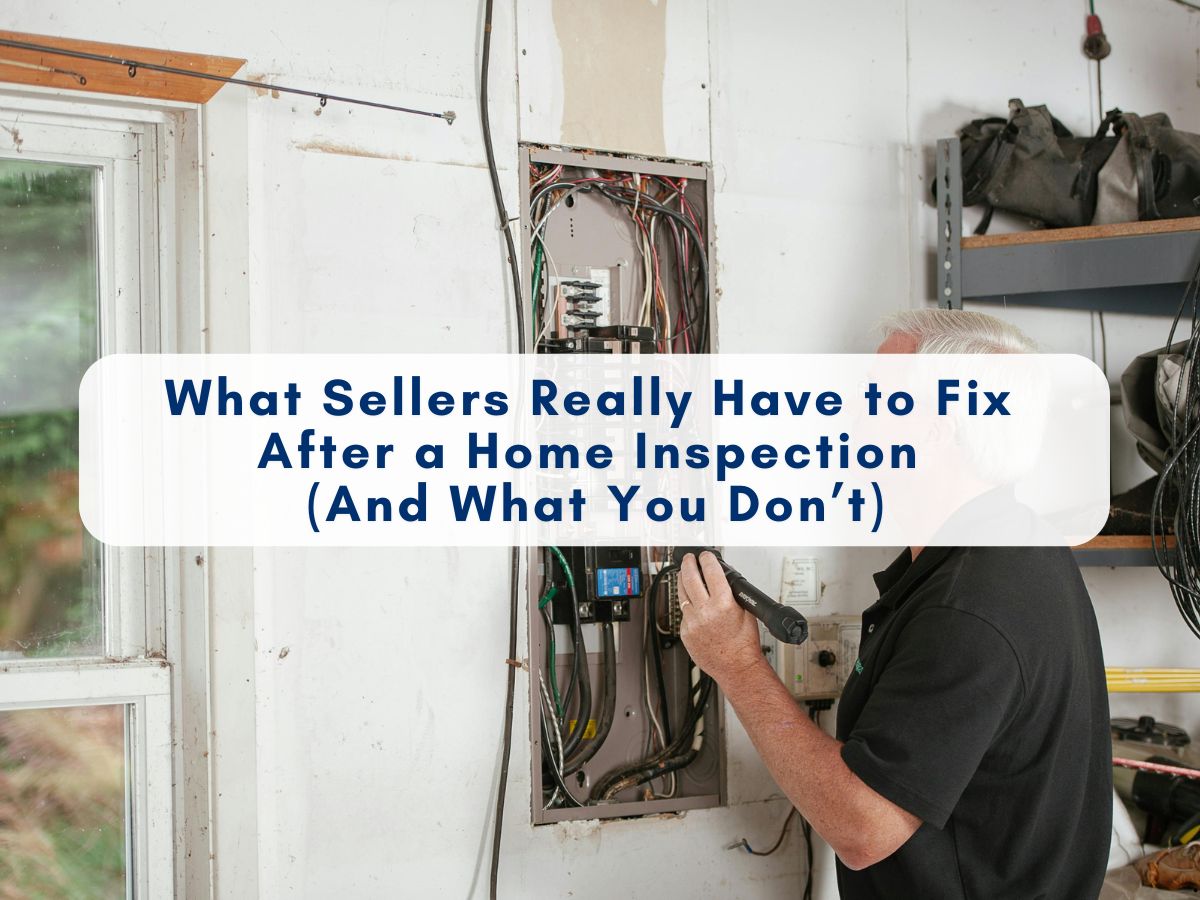
Once a home is under contract, buyers typically hire a licensed home inspector to evaluate the property’s condition. The inspector’s role is not to determine whether the home should be purchased, but to identify potential issues, safety concerns, and areas that may need maintenance or repair.
Inspection reports commonly include:
-
Items that are not functioning properly
-
Safety or health concerns
-
Structural or mechanical issues
-
Components that are near the end of their useful life
-
Cosmetic observations
It is important for sellers to understand that inspectors are trained to be thorough. Even the most well-maintained homes will generate a list of findings. This does not mean something is “wrong” with the home—it means the inspection is doing exactly what it is intended to do.
After reviewing the report, buyers may submit a repair request addendum outlining which items they would like addressed.
🤝 The Inspection Period Is a Negotiation—NOT a Demand
One of the most common misconceptions sellers have is believing they are required to fix everything a buyer requests. In reality, sellers are not obligated to agree to all—or any—inspection repairs.
However, buyers typically have the right to cancel the contract during the inspection period if an agreement cannot be reached. This means inspection negotiations are less about obligation and more about strategy, leverage, and long-term outcomes.
The goal is not necessarily to fix everything—it is to keep the transaction moving forward in a way that makes sense for both parties.
Repairs Sellers Usually Need to Address
While many inspection items are negotiable, some repairs carry more weight because they directly impact financing, safety, or legal disclosure obligations.
✅ Lender-Required Repairs
If the buyer is using a mortgage, the lender may require certain issues to be corrected before approving the loan. These items are not optional if the seller wants the deal to close.
Common lender-required repairs include problems related to:
-
Health and safety hazards
-
Structural integrity
-
Major systems (HVAC, electrical, plumbing)
-
Pest infestations such as termites
-
Septic system failures
-
Non-functioning essential appliances
For example, a broken stove, active termite damage, or a failed septic inspection will typically need to be resolved for the loan to proceed. These issues will arise again with any future financed buyer, making them difficult to avoid.
✅ Structural and Safety Issues Sellers Should Take Seriously
Issues involving the foundation, roof integrity, electrical safety, or water intrusion are considered high-priority concerns. Even if a buyer does not initially request these repairs, sellers should understand the broader implications.
If a seller is made aware of a major defect and chooses not to repair it, that issue must be disclosed to future buyers. This can affect pricing, marketability, and buyer confidence.
In many cases, addressing these problems sooner rather than later protects the seller from repeated contract fall-throughs and extended time on market.
Repairs That Are Typically Negotiable
Not every inspection finding requires action. In fact, many items fall into a category where sellers have ample flexibility.
➡️ Cosmetic Issues
Cosmetic concerns are among the most common inspection comments and also the least critical. These include things like:
-
Carpet stains
-
Minor drywall cracks
-
Chipped paint
-
Worn finishes
-
Outdated fixtures
While buyers may request cosmetic improvements, sellers are generally not required to address them. These items do not impact financing or safety and are often considered part of normal wear and tear.
In some cases, sellers may choose to offer a compromise—such as addressing a more important repair instead of a cosmetic one.
➡️ Minor Maintenance Items
Loose door handles, dripping faucets, missing outlet covers, or slow drains often appear on inspection reports. While these are technically repairs, they are usually inexpensive and easy to address.
Sellers may choose to fix some of these items proactively to demonstrate good faith and maintain momentum in the transaction. However, they are rarely deal-breakers on their own.
What If the Seller Can’t Afford the Repairs?
Sometimes an inspection uncovers a legitimate issue, but the seller simply does not have the financial ability to make the repair. This situation is more common than many people realize and does not automatically mean the sale has to fall apart. There are alternative solutions that can keep the transaction moving forward.
One common solution is for the seller to offer a credit to the buyer at closing in the amount of the estimated repair cost. This allows the buyer to complete the repair after closing using professionals of their choice. Repair credits can be attractive to buyers, particularly if they prefer control over the work.
💡However, credits must still be acceptable to the buyer’s lender, and not all repairs are eligible for this approach.
Another option is offering a home warranty to cover certain systems or appliances for a specified period after closing. While this does not replace the need for major repairs, it can provide buyers with peace of mind and reduce post-closing anxiety.
Home warranties are often used as a supplemental negotiation tool rather than a substitute for required repairs.
Formalizing Repair Agreements
Any agreement reached during inspection negotiations—whether repairs, credits, or warranties—must be documented in writing and added to the contract.
This protects both parties and ensures expectations are clear. Verbal agreements have no legal standing in real estate transactions and can lead to delays or disputes later.
How Buyers Verify Repairs Were Completed
Once repairs are agreed upon, sellers are typically given a specific timeframe to complete the work before closing.
Buyers will usually conduct a final walk-through shortly before settlement. During this visit, buyers confirm that:
-
Repairs were completed as agreed
-
The home is in substantially the same condition
-
No new damage has occurred
💡If repairs are incomplete or improperly done, the buyer may delay closing until the issue is resolved.
Why Incomplete Repairs Can Delay Closing
Failure to complete agreed-upon repairs on time can result in:
-
Closing delays
-
Additional negotiations
-
Escrow holdbacks
-
Buyer dissatisfaction
✅Clear communication and proper documentation help avoid these issues and keep the closing timeline on track.
Why Inspection Strategy Matters for Sellers
Inspection negotiations are not about winning or losing—they are about reaching a resolution that allows the transaction to close successfully.
Sellers who approach inspections with flexibility, information, and realistic expectations often experience smoother outcomes. Overly rigid responses can lead to buyers walking away, even over relatively minor issues. Understanding which repairs truly matter helps sellers make strategic decisions instead of reactive ones.
In some situations, sellers may choose to list their home as-is, meaning they are not willing or able to make repairs. This strategy can work, but it must be clearly communicated upfront. Selling as-is may reduce the number of buyers who are able to proceed, especially those using financing, but it sets clear expectations from the beginning.
Even in as-is sales, inspections are often still conducted for informational purposes.
📉 The Cost of Ignoring Inspection Issues
Ignoring inspection findings does not make them disappear. Major issues will resurface with future buyers, often resulting in repeated negotiations or contract cancellations.
Addressing necessary repairs—either directly or through negotiation—can ultimately save time, money, and stress.
🏁 Conclusion: Repairs Are About Progress, Not Perfection
No home inspection report is perfect, because no home is perfect. Sellers are not expected to deliver a flawless property—but they are expected to engage reasonably in inspection negotiations.
Understanding what sellers truly need to fix after a home inspection, what is negotiable, and what alternatives exist allows sellers to make informed decisions that protect both their financial interests and the transaction timeline.
Clarity and preparation turn inspections from obstacles into opportunities for progress.
If you are preparing to sell your home or are currently navigating inspection negotiations, understanding which repairs matter—and how to respond strategically—can make a significant difference in your outcome.
A consultation can help you evaluate inspection requests, explore negotiation options, and move forward with confidence, clarity, and a plan that aligns with your goals.
Categories
Recent Posts










Buying a home isn’t just a financial decision—it’s a deeply personal journey filled with hopes, dreams, and big life changes. That’s why choosing the right real estate professional is one of the most important steps you can take.
A knowledgeable and experienced REALTOR® does more than open doors and write offers. They’re your advocate, your problem-solver, and your steady guide through what can sometimes feel like an overwhelming process. Whether it's navigating a competitive market, negotiating on your behalf, or keeping things on track behind the scenes, the right agent is there to protect your interests every step of the way.
In the end, buying a home should be an empowering experience. With the right person by your side—someone who brings both expertise and heart—you can move forward with confidence, knowing you're in good hands with Sean Jones.
GET MORE INFORMATION