
What Makes a Farmhouse? Key Features of Classic & Modern Farmhouse Design
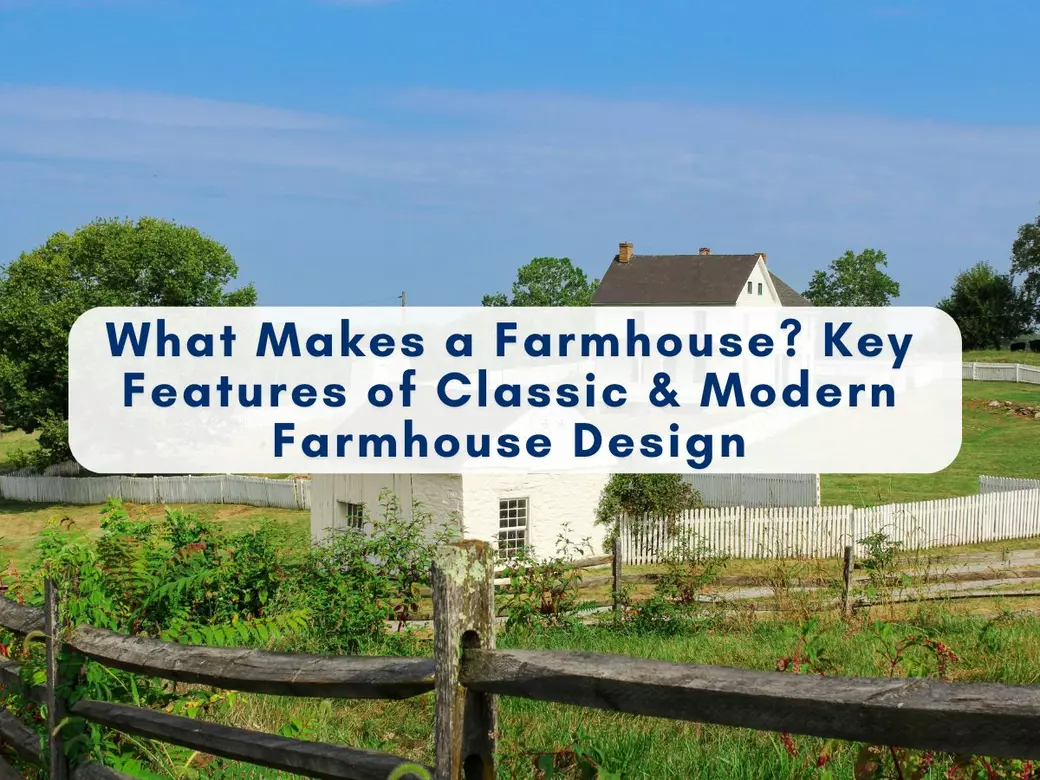
What Makes a Farmhouse? Timeless Facts and Defining Features of Farmhouse Design
Farmhouse design has proven to be far more than a passing trend. While many architectural and interior styles rise quickly and fade just as fast, the farmhouse aesthetic continues to resonate with home buyers year after year. From rural properties surrounded by open land to modern neighborhoods featuring new construction, farmhouse-inspired homes remain highly desirable across a wide range of markets.
For first-time home buyers, farmhouse design often feels approachable, warm, and livable. For home sellers, understanding what defines a farmhouse—and how buyers perceive those features—can be a powerful advantage when positioning a home for sale. Even as design preferences evolve, the core principles of farmhouse style remain rooted in function, simplicity, and comfort.
Originally born out of necessity rather than style, the farmhouse was designed for people who worked outdoors most of the day and needed homes that were practical, durable, and easy to maintain. Over time, those utilitarian choices became a recognizable aesthetic—one that modern buyers now seek out intentionally.
Whether admired along quiet back roads or recreated in thoughtfully planned communities, farmhouses share common characteristics that distinguish them from other architectural styles like the Colonial Home. Understanding these features helps buyers identify authentic farmhouse design and helps sellers highlight what makes their home special.
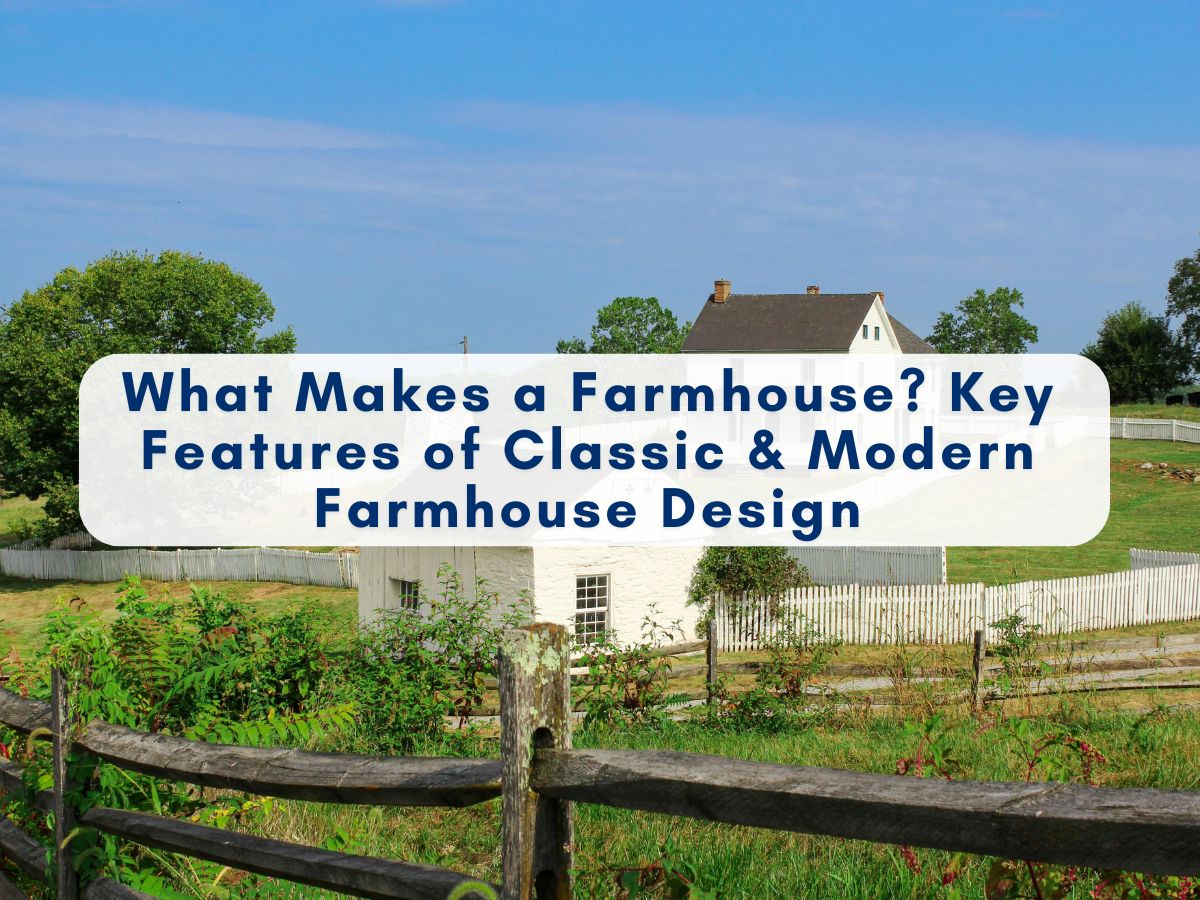
🏠 The Origins of Farmhouse Design: Function Before Fashion
To truly understand what makes a farmhouse, it helps to start with why these homes were built the way they were.
Traditional farmhouses were not designed to impress. They were designed to work. Families living in these homes spent long days tending land, livestock, and crops. Their houses needed to be sturdy shelters from the elements, easy to clean, and adaptable as families grew or needs changed.
Because of this, farmhouse architecture prioritized:
-
Simple construction methods
-
Durable materials
-
Efficient layouts
-
Minimal ornamentation
Over time, these practical choices became the defining features of the farmhouse aesthetic. What was once purely functional is now seen as charming, timeless, and comforting.
Modern farmhouse design builds on these same principles, even when updated with contemporary materials or finishes. Buyers are drawn not only to how farmhouses look, but to how they feel—grounded, welcoming, and unpretentious.
Exterior Features That Define a Farmhouse
The exterior of a farmhouse is often the first thing buyers notice, and it plays a major role in shaping expectations before anyone steps inside. While details may vary between traditional and modern interpretations, several exterior features consistently define farmhouse design.
➡️Clapboard and Simple Siding Materials
Historically, farmhouses were built on open land with little natural protection from wind, rain, or snow. To combat the elements, clapboard siding was commonly used. Installed horizontally and overlapped, this style helped shed water and block drafts while remaining affordable and easy to repair.
Whitewashed wood clapboard became especially common because it was economical and practical. Whitewash helped prevent mildew, reflected heat, and was non-toxic to animals—an important consideration on working farms.
In modern farmhouse homes, materials have evolved, but the visual simplicity remains. Today’s farmhouses may feature:
-
Vinyl or fiber cement siding
-
Vertical board-and-batten siding
-
Horizontal lap siding
Whether vertical or horizontal, the goal is clean lines and subtle texture rather than ornate detailing. Buyers often associate this simplicity with quality and timelessness.
➡️Covered Porches: A Farmhouse Essential
Few architectural features are as closely associated with farmhouse design as the covered porch. For many buyers, a farmhouse without a porch feels incomplete.
Originally, porches served multiple practical purposes. They provided shade from the sun, shelter from rain, and a transitional space where muddy boots and work clothes could be removed before entering the home. In many ways, the porch functioned as an early version of the modern mudroom.
Today, porches are prized for both function and lifestyle appeal. Buyers are drawn to the idea of outdoor living—sitting with a morning coffee, listening to rain, or watching children play in the yard. A covered porch reinforces the farmhouse ideal of slowing down and connecting with surroundings.
From a selling perspective, porches photograph beautifully and add emotional value. Even modest porches can significantly enhance curb appeal and buyer interest.
➡️Metal Roofs and Practical Roofing Choices
Metal roofs have long been associated with farmhouses due to their durability and low maintenance requirements. On working farms, a roof needed to withstand harsh weather while requiring minimal upkeep.
Modern farmhouse designs often incorporate metal roofing as both a functional and aesthetic choice. Buyers appreciate the longevity and energy efficiency metal roofs can offer, while designers value the contrast metal provides against light-colored siding.
While not every farmhouse has a metal roof, its presence often reinforces authenticity and elevates the overall farmhouse look.
➡️Simple, Rectangular Footprints
Traditional farmhouses were typically built in straightforward rectangular shapes. This design allowed for faster construction, efficient use of materials, and easier expansion over time.
As families grew or needs changed, additions were often added to one side of the home rather than fully reconfiguring the original structure. This is why many older farmhouses appear asymmetrical today.
Modern farmhouse homes continue this tradition with simple massing and practical layouts. One- and two-story designs are both common, with clean rooflines and balanced proportions that feel grounded rather than ornate.
Buyers often perceive these shapes as more livable and easier to furnish than homes with highly complex or segmented layouts.
🛋️ Interior Features That Define Farmhouse Living
While the exterior sets the tone, the interior of a farmhouse is where buyers truly connect with the home. Farmhouse interiors are designed to feel comfortable, functional, and welcoming—never overly formal or intimidating.
Traditional Farmhouse Layouts
Original farmhouses followed layouts that supported daily life and work routines. Formal spaces, such as parlors or sitting rooms, were often located near the front of the home to welcome guests. Kitchens were positioned toward the back, where families gathered after long days of work.
Unlike many modern homes, staircases were commonly located near the kitchen rather than the entryway. Bedrooms were typically upstairs, while shared living spaces occupied the main level.
A central fireplace often served as the primary heat source, reinforcing the kitchen and main living areas as the heart of the home.
Modern farmhouse layouts may differ in execution, but they retain the same emphasis on practicality and connection. Open kitchens, dining areas, and living spaces reflect the farmhouse tradition of communal gathering, even when designed for contemporary lifestyles.
Natural Materials and Honest Finishes
Farmhouse interiors are defined by materials that feel authentic rather than decorative. Wide plank hardwood flooring is a hallmark feature, chosen historically for durability and ease of repair.
Walls and finishes were intentionally simple. Unlike Victorian homes filled with ornate trim and embellishments, farmhouses favored clean lines and straightforward construction.
Today’s farmhouse interiors continue to emphasize natural materials, including:
-
Wood floors and beams
-
Stone or brick accents
-
Matte finishes over high-gloss surfaces
✅Buyers often associate these materials with warmth, longevity, and quality craftsmanship.
Farmhouse-Inspired Décor and Architectural Details
While traditional farmhouses were sparsely decorated, modern farmhouse design introduces character through subtle architectural features rather than heavy ornamentation.
Common interior details that reinforce farmhouse style include board-and-batten wall treatments, shaker-style cabinetry, sliding barn doors, and oversized windows that allow natural light to flood the space.
In kitchens, the apron-front sink—often called a farmhouse sink—has become one of the most recognizable design elements. Originally designed for practicality and ease of cleaning, it now serves as both a functional and visual focal point.
These details help modern buyers connect emotionally with the space while still honoring the farmhouse tradition of simplicity.
🏘️ Farmhouse vs. Modern Farmhouse: Understanding the Difference
While the terms are often used interchangeably, there is a distinction between traditional farmhouse and modern farmhouse design.
Traditional farmhouses emphasize historical accuracy, natural aging, and original materials. Modern farmhouses reinterpret those elements with updated finishes, open layouts, and contemporary conveniences.
Both styles share the same core values—simplicity, function, and warmth—but modern farmhouses often appeal to buyers seeking the farmhouse feel without sacrificing modern amenities. Understanding this distinction helps sellers market their homes accurately and helps buyers identify what style best fits their preferences.
From a real estate perspective, farmhouse design has proven to be resilient. While overly trendy styles can feel dated quickly, farmhouse elements tend to age gracefully. Homes with farmhouse features often photograph well, appeal to a wide demographic, and feel move-in ready to buyers. These factors can contribute to stronger demand and, in some cases, faster sales.
That does not mean every farmhouse home looks the same. The most successful examples balance classic elements with thoughtful updates that align with current buyer expectations.
🧭 Conclusion: Farmhouse Design Endures Because It Works
Farmhouse design continues to resonate because it is rooted in purpose, not pretense. From its simple exterior forms to its warm, functional interiors, the farmhouse represents a style that adapts without losing its identity.
For buyers, understanding what defines a farmhouse helps clarify what they are truly drawn to—comfort, usability, and timeless appeal. For sellers, recognizing and highlighting farmhouse features can strengthen a home’s market position and attract motivated buyers.
Whether traditional or modern, rural or suburban, farmhouse design remains a powerful presence in today’s housing market because it speaks to how people want to live.
If you are considering buying or selling a farmhouse-style home and want guidance on how this design impacts value, marketing, or buyer demand, connecting with a knowledgeable real estate professional for a consultation can help you navigate the process with confidence and clarity.
Categories
Recent Posts




Buying a home isn’t just a financial decision—it’s a deeply personal journey filled with hopes, dreams, and big life changes. That’s why choosing the right real estate professional is one of the most important steps you can take.
A knowledgeable and experienced REALTOR® does more than open doors and write offers. They’re your advocate, your problem-solver, and your steady guide through what can sometimes feel like an overwhelming process. Whether it's navigating a competitive market, negotiating on your behalf, or keeping things on track behind the scenes, the right agent is there to protect your interests every step of the way.
In the end, buying a home should be an empowering experience. With the right person by your side—someone who brings both expertise and heart—you can move forward with confidence, knowing you're in good hands with Sean Jones.
GET MORE INFORMATION