
What Makes a House Mid-Century Modern? Features, Style & Buyer Insights
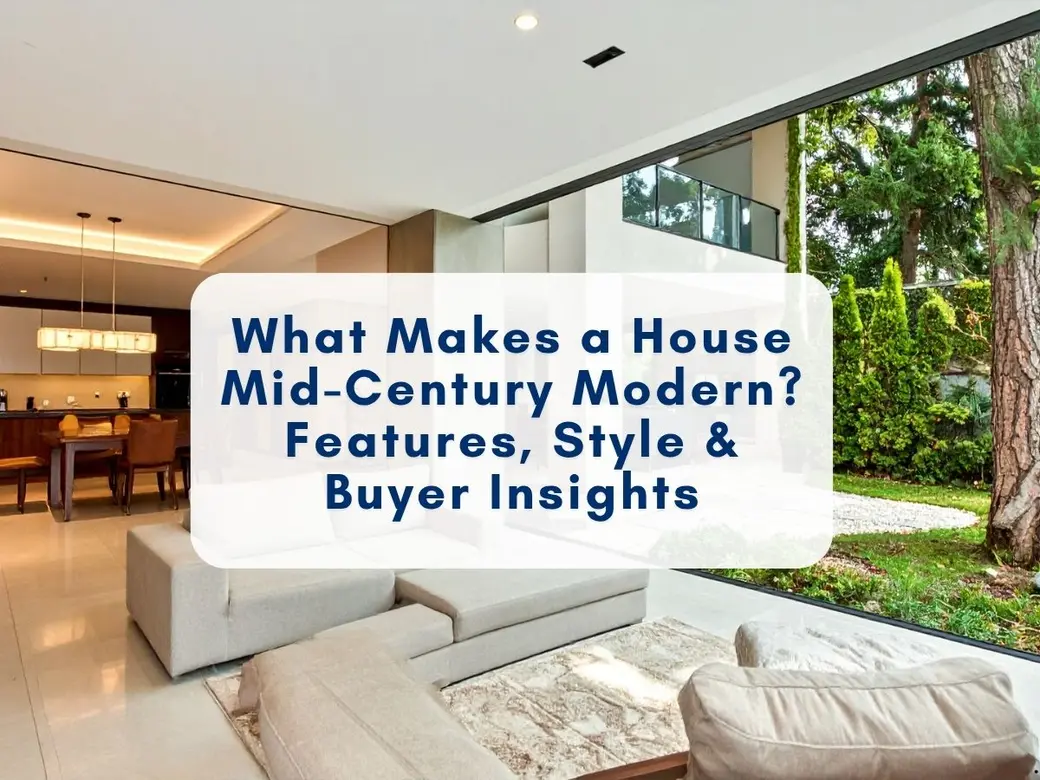
What Makes a House a Mid-Century Modern Home? Features, History, and Buyer Insights
If you’ve been scrolling through home listings or watching design shows, chances are you’ve heard the term mid-century modern home. With its clean lines, geometric shapes, and seamless integration with nature, this design style has been making a major comeback in recent years. But what exactly makes a house mid-century modern? And why is this architectural style still so desirable decades after its peak?
Whether you’re a first-time buyer dreaming of your first stylish home, a seller looking to highlight your property’s unique design, or even a land buyer considering building with this aesthetic, understanding mid-century modern features can help you make informed decisions. Let’s break it all down.
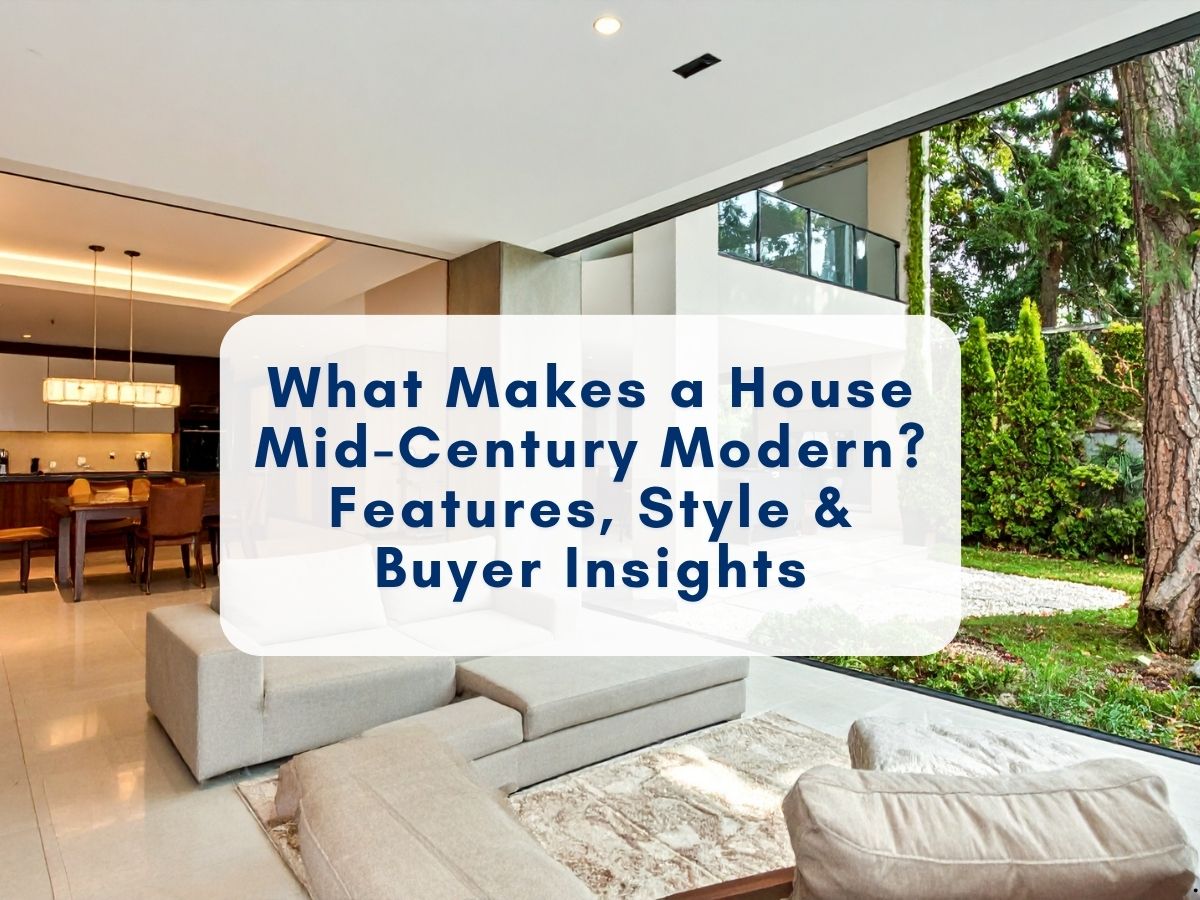
📜 The History of Mid-Century Modern Homes
The mid-century modern style emerged in the United States after World War II, a time when housing demand soared as soldiers returned home and families grew. Architects were tasked with creating homes that were:
-
Functional
-
Affordable
-
Stylish
-
Integrated with the surrounding environment
Inspired by the Bauhaus movement in Europe, mid-century modern design emphasized simplicity, openness, and a connection between indoor and outdoor living.
This movement flourished from the mid-1940s through the 1970s, shaping not only residential neighborhoods but also commercial architecture and furniture design. Today, its influence is everywhere, from open floor plans to minimalist décor.
🏠 Exterior Features of Mid-Century Modern Homes
One of the easiest ways to recognize a mid-century modern home is from the outside. These homes stand apart from colonials, Victorians, or craftsman styles with their unique architectural elements.
Key Exterior Features:
-
Flat or low-pitched roofs: A sleek, horizontal look that defines the silhouette.
-
Large glass windows and sliding doors: Often floor-to-ceiling, these maximize natural light and blur the line between indoors and outdoors.
-
Clean geometric lines: Exteriors avoid excessive ornamentation, favoring simplicity.
-
Integration with nature: Many homes are built to fit seamlessly into their landscape, using natural materials like stone or wood.
-
One-level layouts: While not universal, ranch-style mid-century moderns were especially popular, making them appealing for those who prefer stair-free living.
The result? Homes that feel bright, open, and timeless—perfect for buyers who value both style and function.
🛋️ Interior Features of a Mid-Century Modern Home
Step inside, and the design philosophy becomes even more apparent. Mid-century modern interiors balance minimalism with warmth, offering spaces that feel both functional and inviting.
Common Interior Elements:
-
Sunken living rooms: Known as “conversation pits,” these small changes in elevation created cozy, defined spaces.
-
Open floor plans: Instead of rooms with strict purposes (like a parlor or formal dining room), mid-century modern design embraced flexibility. Spaces are often defined by furniture placement.
-
Straight lines and angular details: From staircases to built-ins, you’ll see crisp, geometric design elements.
-
Natural color palettes: Olive green, mustard yellow, browns, and muted earth tones were common choices, though modern interpretations often pair these with brighter accents.
-
Minimal décor: Simple, functional furnishings with geometric or organic shapes complement the architecture without cluttering it.
This blend of simplicity and character makes mid-century modern homes incredibly adaptable to today’s lifestyles.
🌟 Why Buyers Love Mid-Century Modern Homes
While architectural styles come and go, mid-century modern homes continue to attract a dedicated fan base. Here’s why:
1. Timeless Style
The clean lines and minimalist approach make these homes feel modern even decades after they were built. Buyers often find that mid-century modern design doesn’t age in the same way other styles do.
2. Indoor-Outdoor Connection
With oversized windows and sliding doors, these homes invite natural light and often open directly to patios or gardens. For buyers who value outdoor living, this is a major draw.
3. Functional Layouts
Open living areas and flexible spaces work well for modern families, remote workers, and those who enjoy entertaining.
4. Unique Character
In a market filled with cookie-cutter new builds, a mid-century modern home stands out. Buyers who want something distinctive often gravitate toward this style.
🚫 Challenges of Owning a Mid-Century Modern Home
Of course, no home style is perfect. Mid-century modern properties come with their own set of considerations:
1. Aging Systems and Materials
Since many of these homes were built in the 50s and 60s, buyers should carefully inspect plumbing, electrical, and roofing systems. Updates are often necessary.
2. Energy Efficiency
Those beautiful floor-to-ceiling windows? They can sometimes lead to higher heating and cooling costs if not updated with modern insulation and glass.
3. Limited Availability in Certain Areas
In regions like Central Virginia, mid-century modern homes are less common than colonials or ranches. Buyers may need patience—or flexibility on location—to find one.
4. Resale Considerations
While many buyers love this style, others may prefer more traditional layouts. Sellers should market the home to the right audience to maximize interest.
🏘️ Selling a Mid-Century Modern Home
If you’re a seller fortunate enough to own a mid-century modern property, you have a unique opportunity. But marketing it well is key.
How to Attract Buyers:
-
Highlight architectural features like original woodwork, fireplaces, or floor-to-ceiling windows.
-
Stage with complementary furniture: Minimalist, geometric pieces help showcase the home’s style.
-
Emphasize lifestyle: Promote the natural light, open spaces, and indoor-outdoor flow.
Sellers who play up these features can position their home as something rare and desirable, especially in areas where mid-century modern properties aren’t common.
🪑 Incorporating Mid-Century Style Without Owning One
Love the look but can’t find a mid-century modern home in your area? The good news is that you can bring the aesthetic into any house through design choices.
-
Add furniture with clean lines and tapered legs.
-
Use natural woods and neutral, earthy tones.
-
Incorporate geometric patterns through rugs or art.
-
Install pendant lighting or globe fixtures.
Even a colonial or ranch can feel mid-century inspired with the right touches.
🤔 Is a Mid-Century Modern Home Right for You?
Choosing the right home style is about more than aesthetics—it’s about how you live. A mid-century modern home may be perfect if you:
-
Value unique, timeless design.
-
Love natural light and outdoor living.
-
Prefer open, flexible spaces over formal rooms.
-
Don’t mind investing in updates to maintain older systems.
For sellers, recognizing the unique appeal of this style can help you market your home effectively. And for land buyers, mid-century modern architecture offers a chance to build something distinctive that fits naturally into your lot.
✅ Conclusion: Mid-Century Modern Homes Offer Style and Substance
Mid-century modern homes are far more than a passing trend. They’re a design movement rooted in functionality, simplicity, and harmony with nature. Whether you’re buying, selling, or building, understanding this style can help you make smarter real estate decisions.
If you’re searching for a home with character, timeless design, and versatile living spaces, a mid-century modern property might just be your perfect match.
Whether you’re a first-time home buyer hoping to find a stylish home, a seller preparing to market your unique property, or a land buyer considering a custom build, I’d love to help guide you through your options.
👉 Reach out today to schedule a no-obligation consultation and let’s explore whether a mid-century modern home is the right fit for your lifestyle.
Categories
Recent Posts




Buying a home isn’t just a financial decision—it’s a deeply personal journey filled with hopes, dreams, and big life changes. That’s why choosing the right real estate professional is one of the most important steps you can take.
A knowledgeable and experienced REALTOR® does more than open doors and write offers. They’re your advocate, your problem-solver, and your steady guide through what can sometimes feel like an overwhelming process. Whether it's navigating a competitive market, negotiating on your behalf, or keeping things on track behind the scenes, the right agent is there to protect your interests every step of the way.
In the end, buying a home should be an empowering experience. With the right person by your side—someone who brings both expertise and heart—you can move forward with confidence, knowing you're in good hands with Sean Jones.
GET MORE INFORMATION